Six ways IUCN is driving action for biodiversity protection in food and agriculture systems across Europe
The IUCN European Regional Office is working across Europe to transform food and agricultural systems so they can nourish people, sustain livelihoods and safeguard biodiversity.
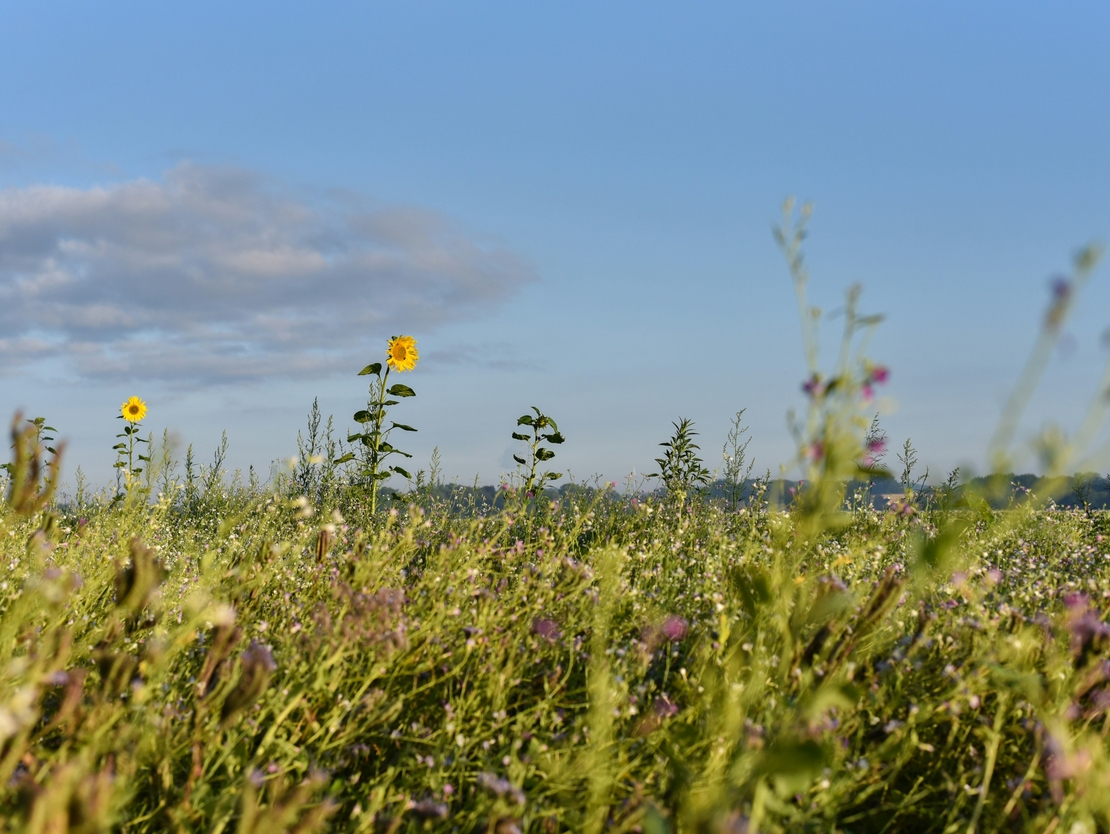
Unsustainable agricultural practices are among the leading drivers of biodiversity loss globally. In Europe, where agriculture shapes over 40% of the land area, the challenge is particularly urgent. Yet, agriculture also holds immense potential to become a powerful force for nature recovery when designed and managed sustainably.
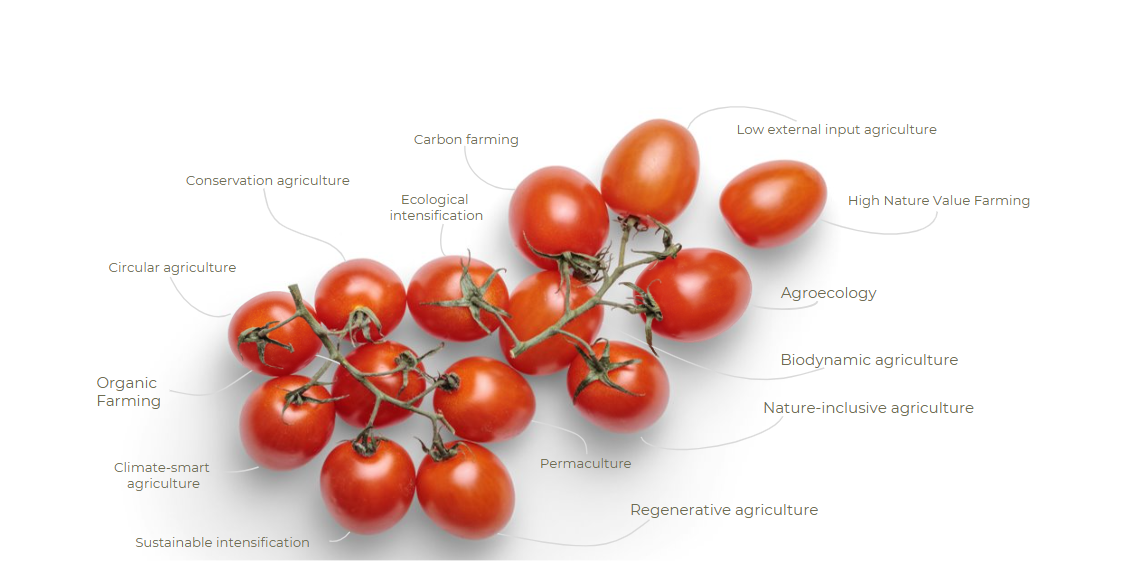
Sustainable agriculture will need first and foremost to consider two inseparables, intertwined societal priorities – preserving the environment and providing safe and healthy food for all. In its Approaches to Sustainable Agriculture (2020) report, IUCN identified and classified 14 approaches to sustainable agriculture, that share core principles such as reducing chemical inputs, improving soil health, and enhancing biodiversity.
14 approaches to sustainable agriculture:
The path to a sustainable food system in Europe depends on integrating biodiversity protection into every stage of agricultural planning and production. IUCN’s work demonstrates that by combining science, policy, innovation, and partnership, it is possible to build resilient landscapes that nourish both people and nature.
Here are six ways IUCN is driving this change:
1. Developing standardized biodiversity assessment tools
A first step towards sustainable agriculture is knowing how to measure its impact on biodiversity. IUCN Europe has released the "Assessing the biodiversity-agriculture nexus" report, which presents 12 assessment methods for evaluating the impact of sustainable agriculture approaches on biodiversity. These methods were selected following an extensive consultation of stakeholders across the agricultural science and policy field
These tools provide a foundation for policymakers, researchers and businesses to align on credible, comparable, and science-based metrics, enabling more transparent decision-making and better monitoring of progress toward biodiversity targets.
2. Promoting Nature-based Solutions in agriculture
In 2024, IUCN published a report demonstrating how Nature-based Solutions, guided by the IUCN Global Standard for NbS™, can transform agriculture into a sector benefiting people, nature, and economies.
Through this publication, IUCN showcased real-world examples how integrating ecological principles - such as restoring wetlands, maintaining hedgerows, or enhancing soil biodiversity - can make farms more resilient to climate change while supporting wildlife and livelihoods.
3. Supporting EU policy implementation
Effective policy is critical to accelerating the transition toward sustainable and biodiversity-friendly agriculture. IUCN provides science-based recommendations to European institutions and Member States to strengthen policy frameworks such as the Common Agricultural Policy (CAP), the EU Soil Monitoring Directive and the Nature restoration Regulation.
By supporting policy coherence, ambition and implementation, IUCN advocates for soil health, habitat restoration, and the integration of biodiversity considerations into agricultural practices, ensuring the translation of Europe’s Green Deal and Biodiversity Strategy into concrete, measurable action on the ground.
4. Supporting Living Labs and bottom-up approaches
IUCN is actively involved in EU-funded Living Labs projects, such as Eco-ready, building on networks of pilot farmers implementing climate-smart solutions for a carbon-neutral Europe.
By fostering bottom-up approaches to policy design and knowledge exchange, IUCN ensures that innovations reflect farmers’ realities - bridging the gap between research, practice, and policy.
5. Protecting pollinators and enhancing ecosystem services
Pollinators are critical for crop production, ecosystem health, and overall biodiversity, yet they face multiple threats from habitat loss, pesticides, and climate change.
IUCN Red List assessments for pollinators make an essential contribution to the knowledge base that underpins the implementation of the EU’s New Deal for Pollinators, especially in tracking progress towards the pollinator targets under the Nature Restoration Regulation.
6. Building multi-stakeholder dialogue and partnerships
Transforming the agri-food system requires the collaboration of diverse actors - from farmers and researchers to policymakers, businesses, and consumers. IUCN facilitates multi-stakeholder dialogue and partnerships that unite these voices to co-develop frameworks that are scientifically robust, socially fair, and practically viable.
Through its convening power, IUCN helps bridge conservation and agricultural communities, promoting shared responsibility and collective action for the protection of Europe’s biodiversity.


The 30th Conference of the Parties to the United Nation Framework Convention of Climate Change (…

Victoria Falls, Zimbabwe, 24 July 2025 — The Indo-Burma Ramsar Regional Initiative (IBRRI)…

World Wetlands Day is celebrated annually on 2 February. To celebrate this year’s theme of “…