-
 News
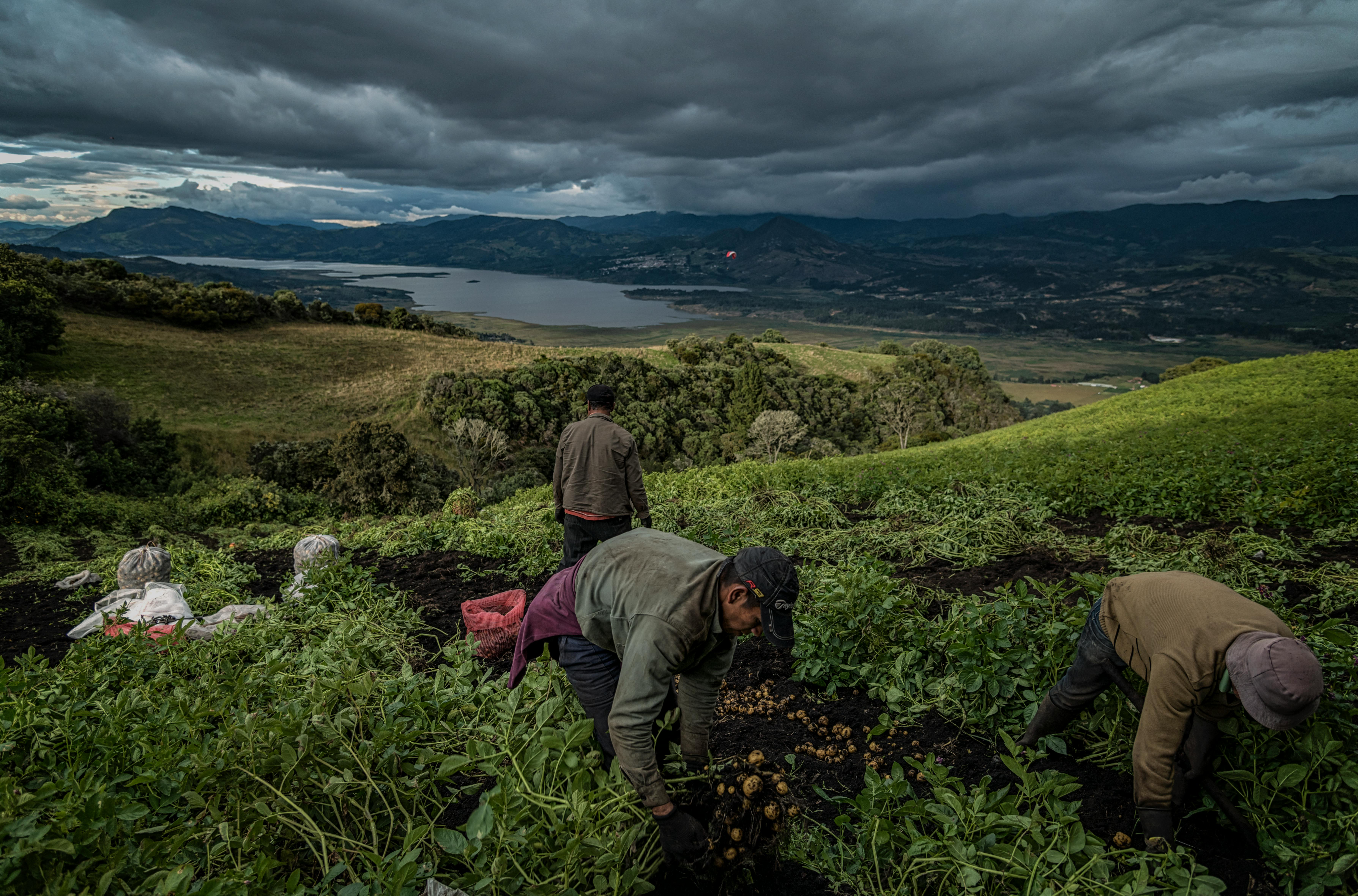
NewsGland, Switzerland, 21 January 2026 (IUCN) – The International Union for Conservation of Nature (IUCN) recently released a new policy brief titled “How to Ensure Social…
-
 Story
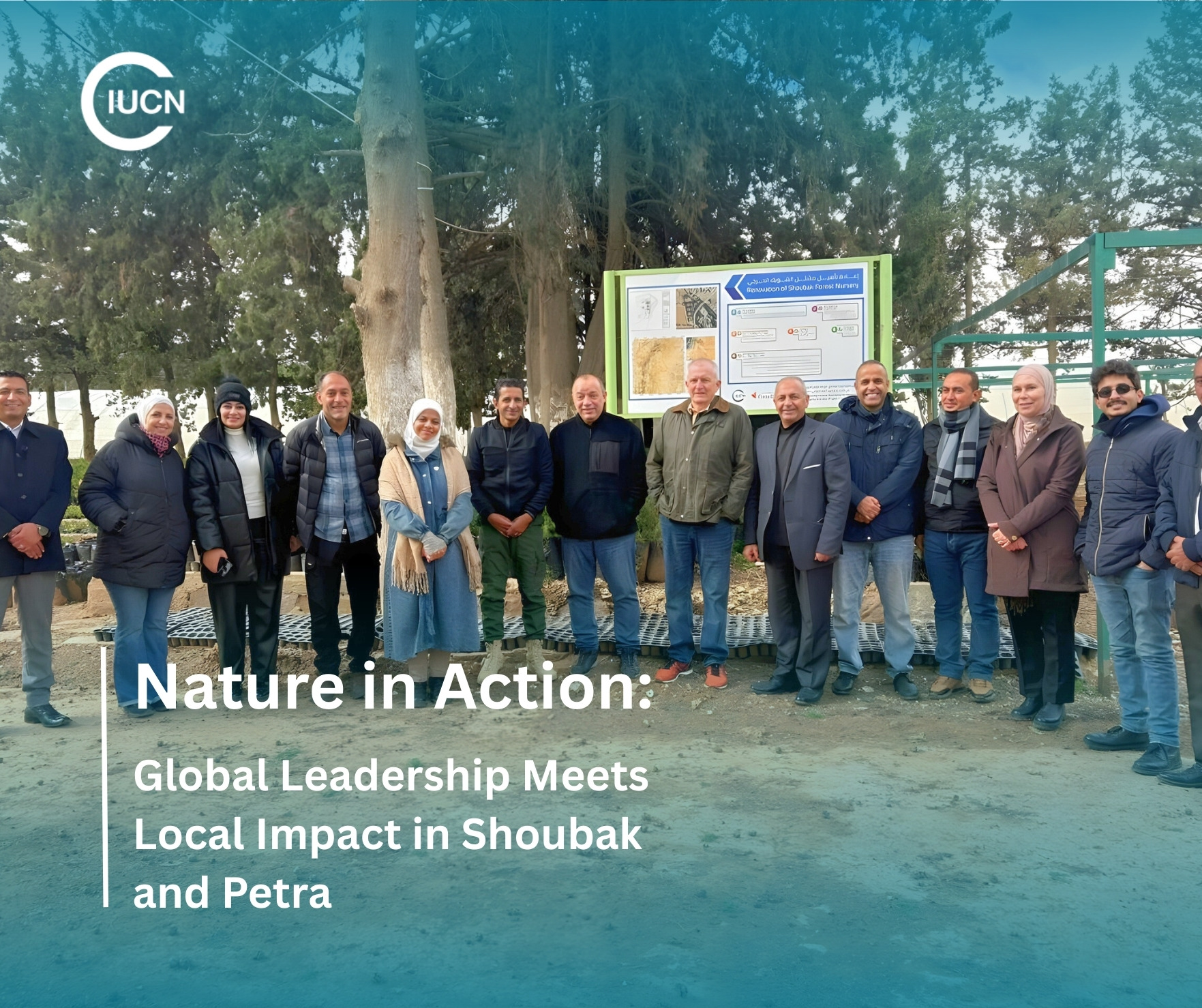
StoryAmman, Jordan – A promising conservation project ("Enhancing Climate Resilience for Biodiversity Hotspots in Jordan" namely Taziz project) is combining forest landscape restoration, livelihood enhancement, and protected area expansion to safeguard both nature and one of the…
-
 Story
StoryThe IUCN Forest and Grasslands Team invites all interested International Model Forest Network (IMFN) partners, stakeholders, and community members to submit their stories for inclusion on the PANORAMA - Solutions for a…
-
 Story
StoryDesignated a Ramsar Site – a wetland of international importance – in 1999, Koh Kapik perches on the Gulf of Thailand, where its sprawling 12,000 hectares of mangroves of
-
 Story
StoryOver 200 farmers in Western Siaya County, Kenya, welcomed IUCN, Alliance Bioversity and partners of the MyFarmTrees project for a final knowledge-sharing workshop on November 27th. They were there to share their experiences and show their appreciation for…
-
 Press release
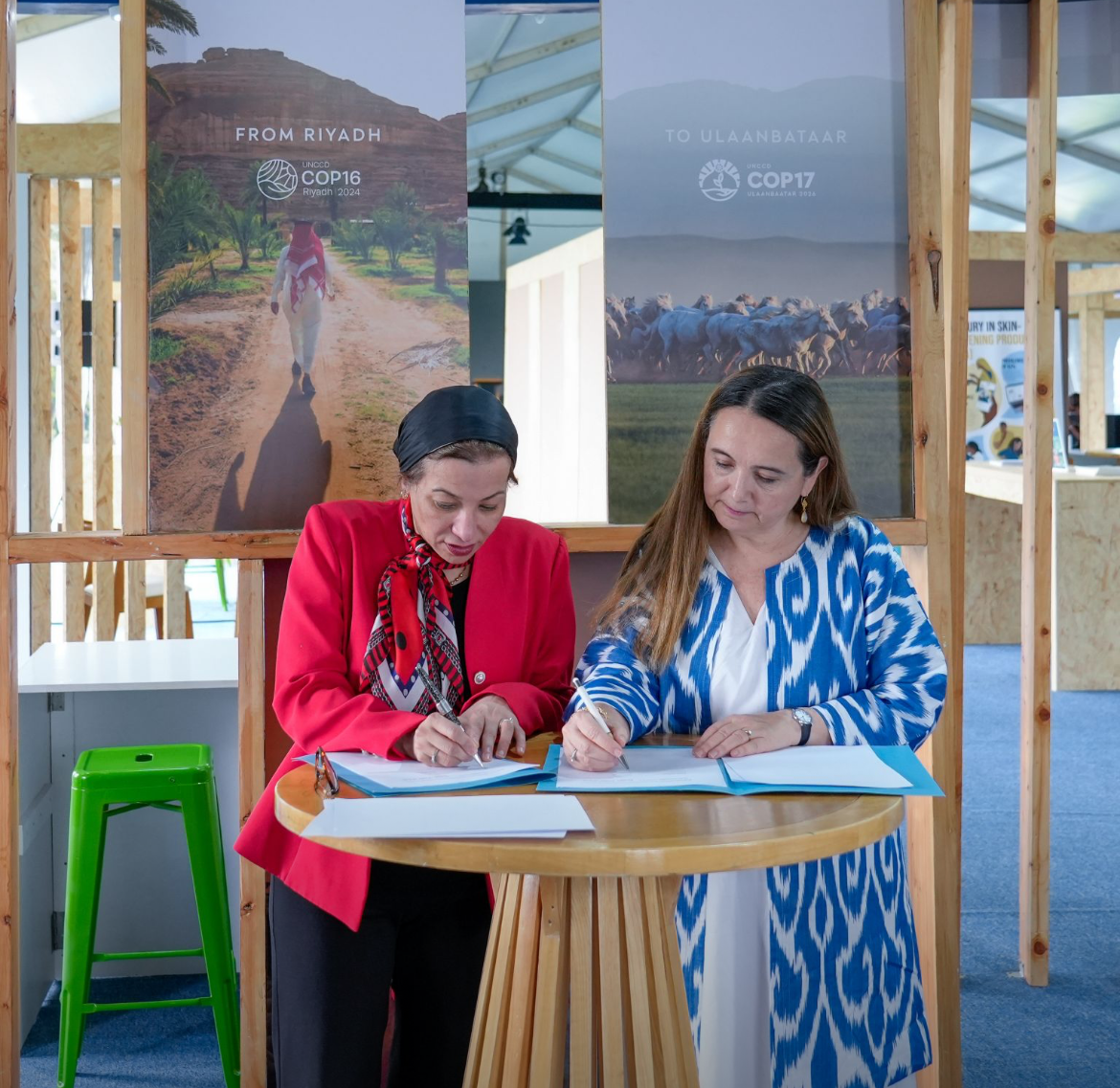
Nairobi, Kenya, 12 December 2025 – The International Union for Conservation of Nature (IUCN) and the United Nations Convention to Combat Desertification (UNCCD) today signed a Memorandum of Understanding (MoU) to strengthen cooperation in the lead-up to and beyond UNCCD COP17,…
-
 News
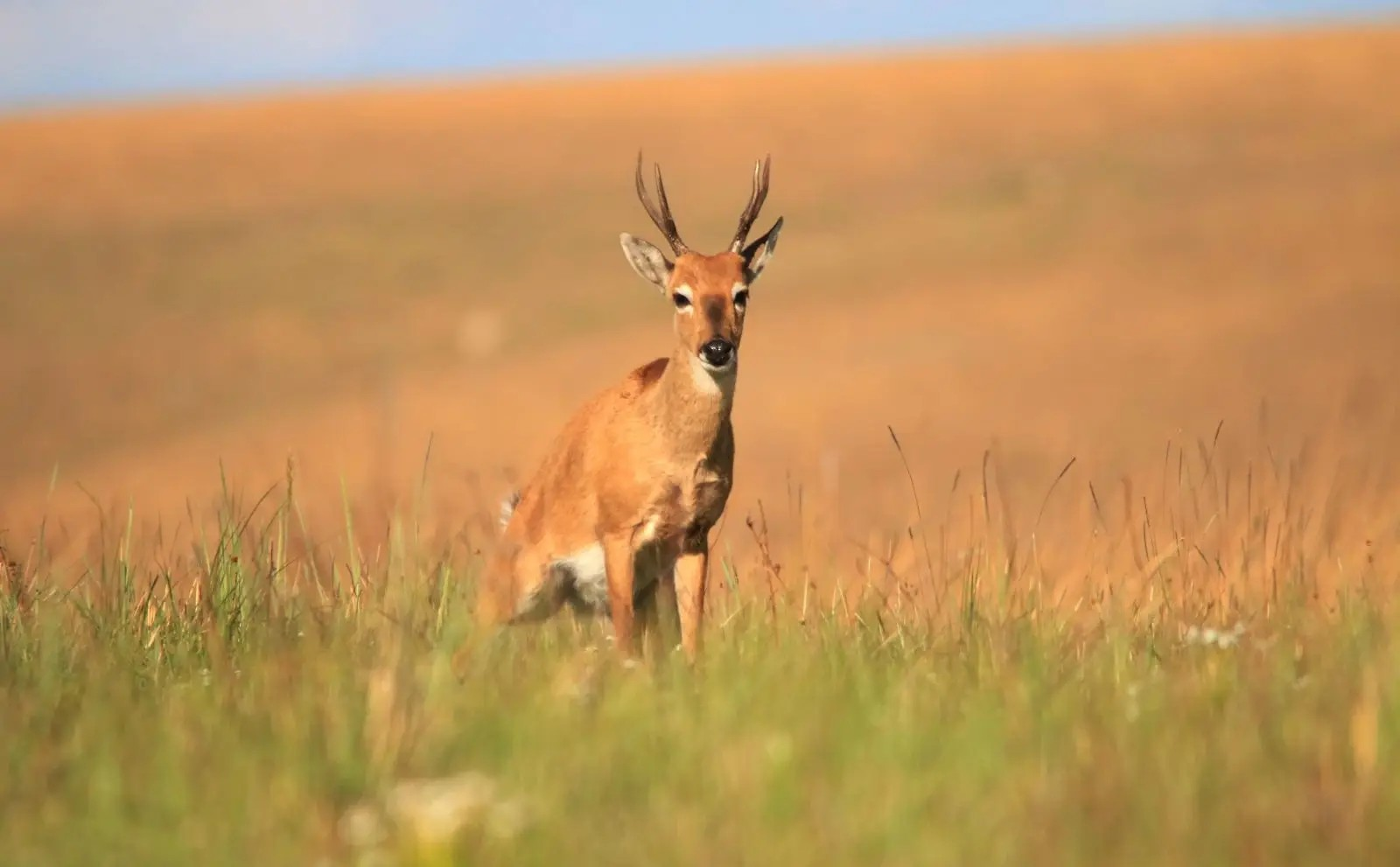
NewsQuito, Ecuador, 9 December 2025 – Today the IUCN Forest and Grasslands Team, together with IUCN’s South America Regional Office, launched a new regional Knowledge Platform for Grasslands and Savannahs to strengthen collaboration,…
-
 Story
StoryIn November, the IUCN Forest and Grasslands Team participated in IUCN’s delegation to the 30th convening of the Conference of the Parties (COP30) to the United Nation Framework Convention on Climate Change (UNFCCC) in Belém, Brazil. At the conference, the team organised several events to spread…
-
 Blog
BlogAgroecosystems—farms and agricultural landscapes—cover nearly 40% of Earth’s land. They supply our food, fibre, and fuel, but are frequently degraded by poor farming practices, biodiversity loss, pollution, and climate change.
