-
 News
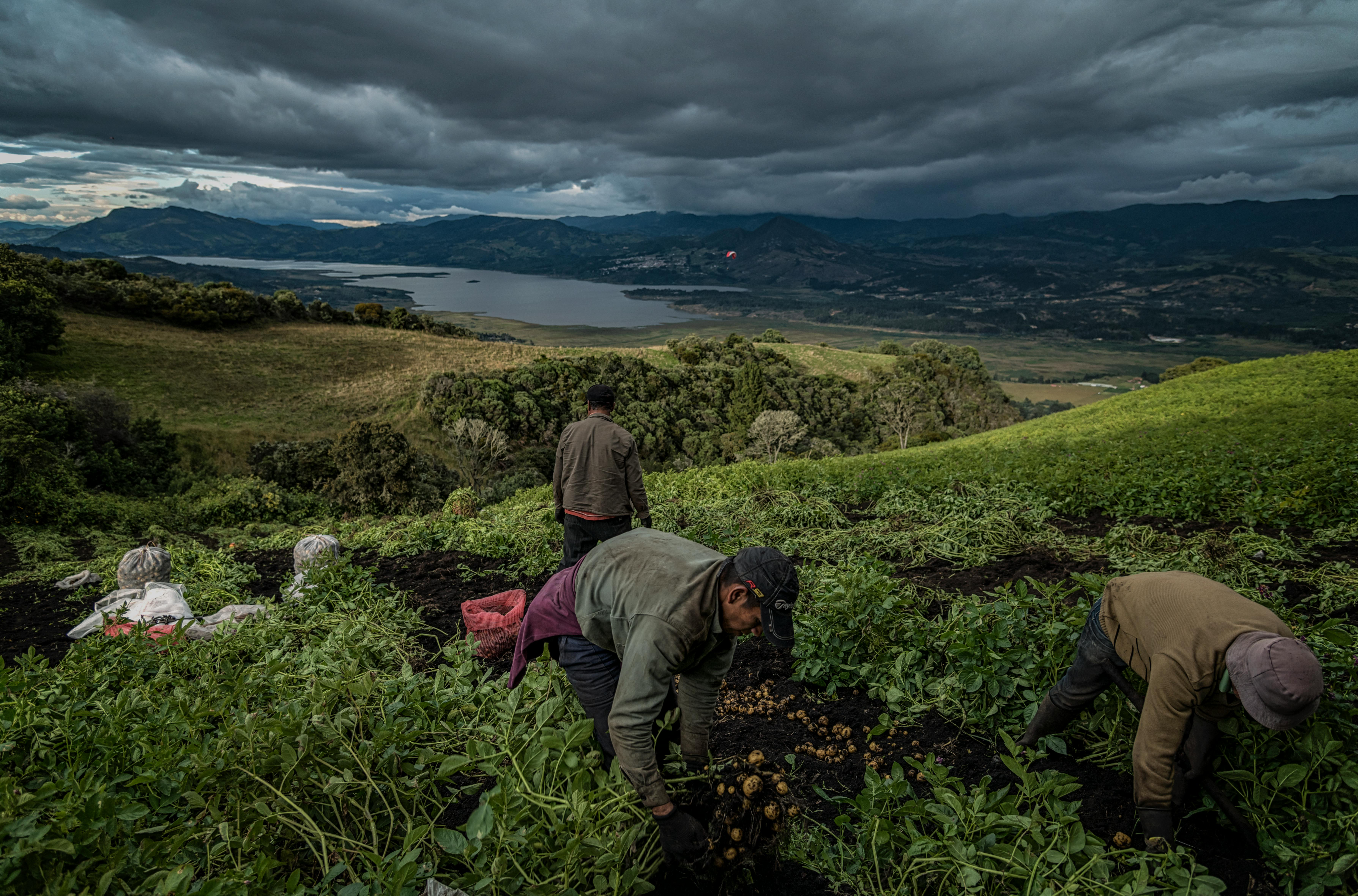
NewsGland, Switzerland, 21 January 2026 (IUCN) – The International Union for Conservation of Nature (IUCN) recently released a new policy brief titled “How to Ensure Social…
-
 External event
The Partnering for Climate and International Biodiversity teams in YLP are collaborating this year to expand efforts beyond the traditional half-day International Development Week event held previously, and instead will co-host two days of knowledge sharing and brainstorming sessions for members…
-
 Jointly published 2026
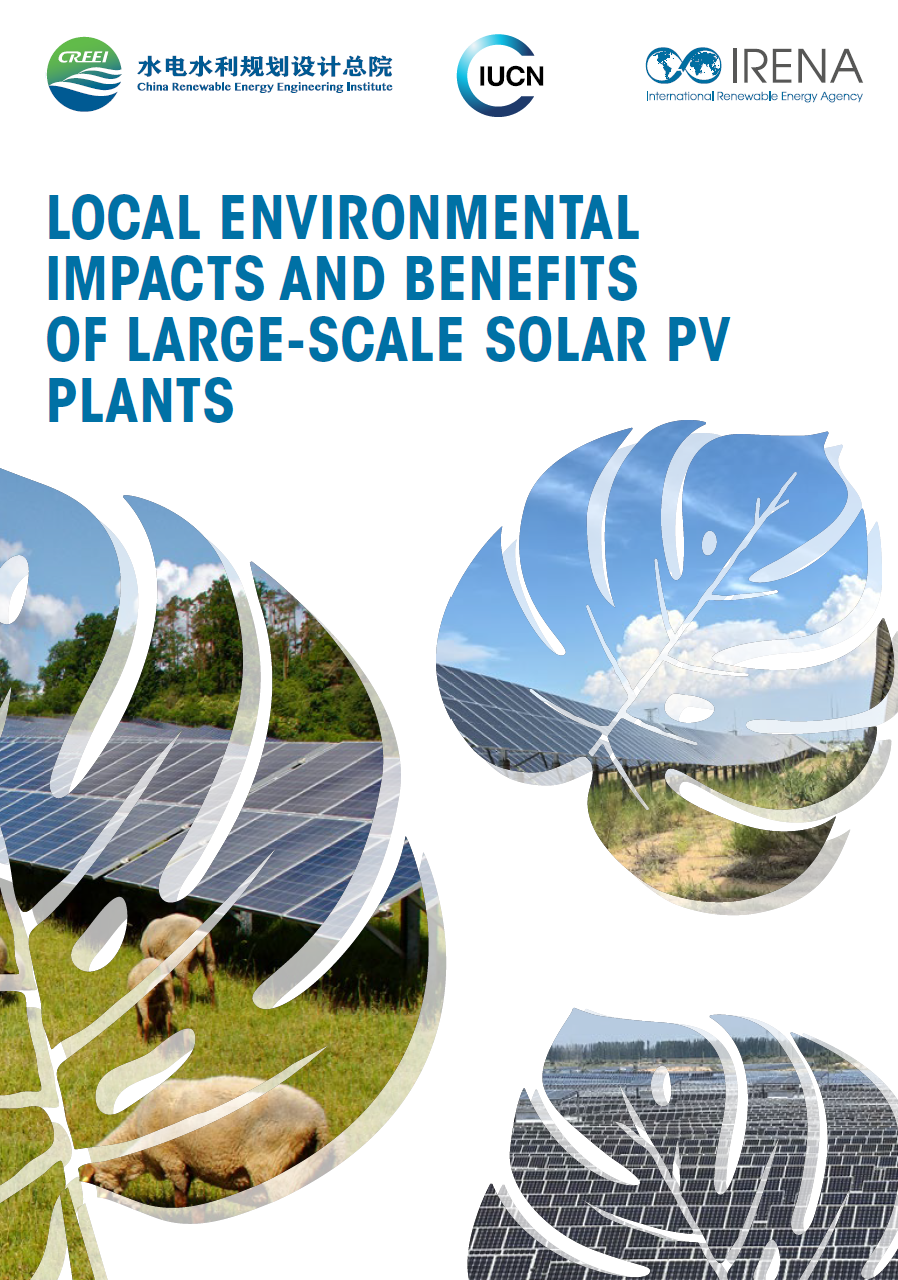
Solar photovoltaic (PV) is among the most widely deployed renewable energy technologies worldwideand is set for a rapid expansion over the coming decades. By the end of 2024, solar PV had contributed 77%of annual capacity additions and 42% of total installed renewable energy capacity. From 2015…
-
 Story
StoryAbu Dhabi, United Arab Emirates | 10 January 2026 — A new joint report by the International Renewable Energy Agency (IRENA), the China Renewable Energy Engineering Institute (CREEI) and the International Union for Conservation of Nature (IUCN) shows how large-scale solar…
-
 Explainer brief 2025A Regenerative Blue Economy is an economic model that combines rigorous and effective regeneration and protection of the ocean and marine and coastal ecosystems with sustainable, low or no-carbon economic activities, and fair prosperity for people and the planet, now and in the future.It seeks to…
 -
 News
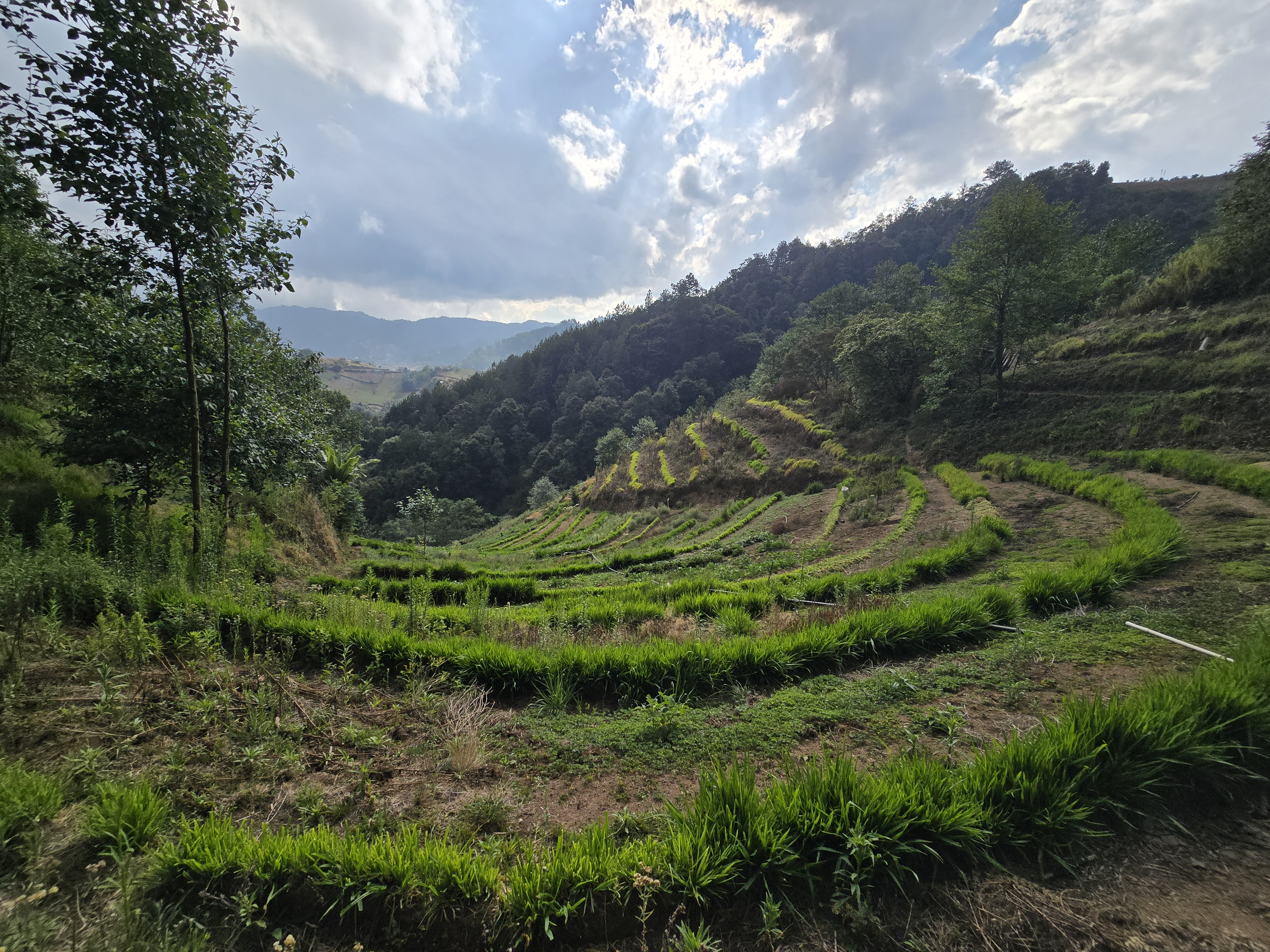
NewsIUCN and its Commission on Ecosystem Management publish a study on the application of the IUCN Global Standard for Nature-based Solutions in the Resilient Highlands project—one of the few such initiatives in Latin America.
-
 Annual reports 2025
This report organises its findings around six interconnected ENACT systems. In agriculture and food systems, NbS can reverse degradation, reduce emissions and enhance food security. In human settlements, NbS improve public health and foster inclusive, liveable cities. For natural and modified…
-
 Story
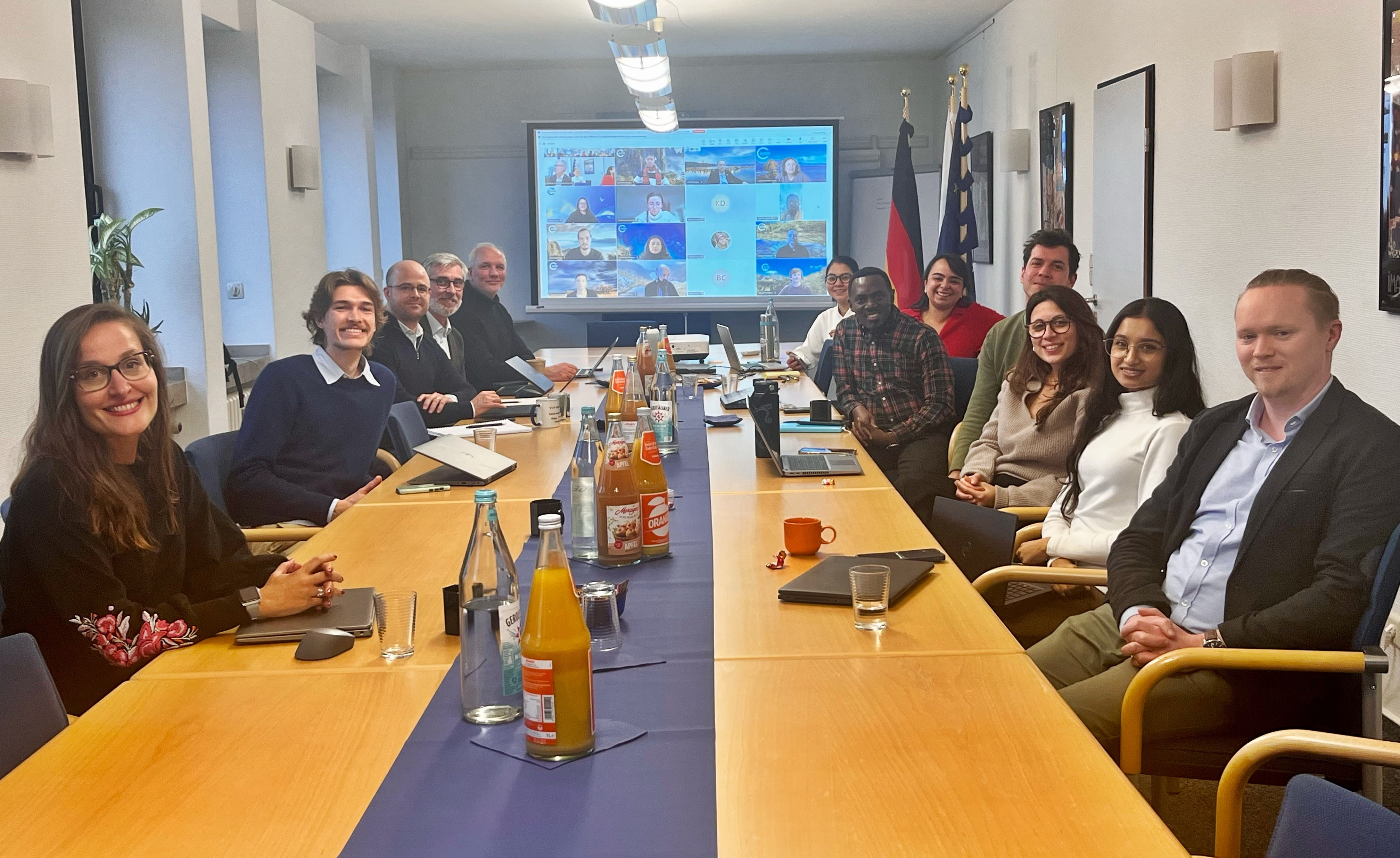
StoryCharles Karangwa, the Global Head of Nature-based Solutions Centre at IUCN, has recently visited the IUCN NbS European Hub hosted by the IUCN European Regional Office in Bonn, Germany. We took this opportunity to sit down with him to discuss the crucial role of governance in delivering effective…
-
 Story
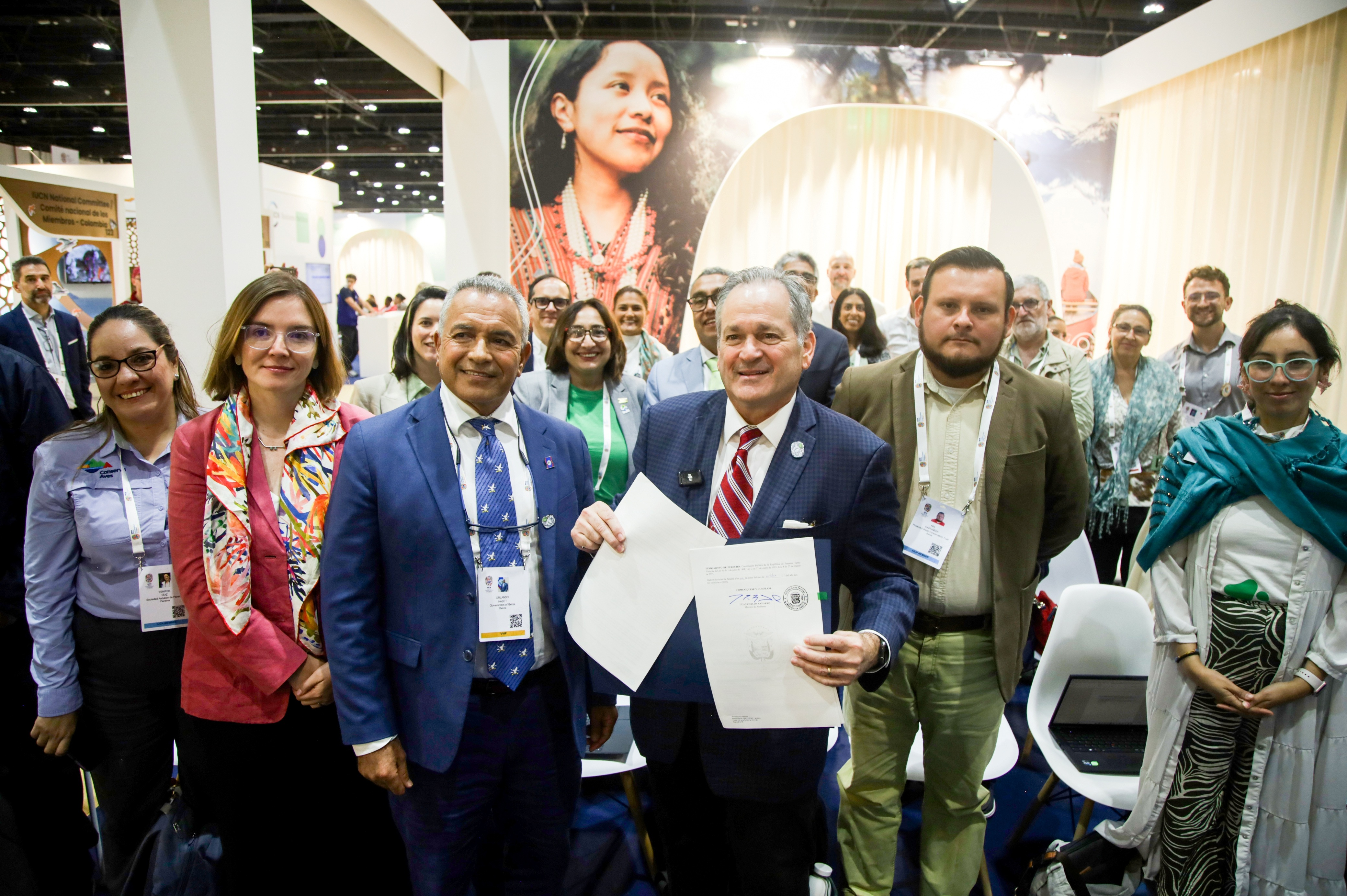
StoryOver five days, the Americas Pavilion showcased how the region is shaping global conservation, through Indigenous leadership, cutting-edge science, innovative finance, and partnerships that link local action to global ambition.
-
 Story
StoryThe Southern Highlands corridor in Tanzania (formerly known as SAGCOT) and the Beira corridor in Mozambique were conceived as engines to accelerate development.