Friends of EbA (FEBA)
Friends of Ecosystem-based Adaptation (FEBA) is a global collaborative network of organizations with a shared interest in advancing awareness, understanding and uptake of nature-based solutions (NbS) in adaptation and resilience efforts and planning processes around the world.
Background
Since 2015, the FEBA network has been a hub for organizations and agencies working at the intersection of nature and climate adaptation to share experiences and knowledge, improve the implementation of ecosystem-based adaptation (EbA) activities on the ground, and have a stronger and more strategic learning and policy influence. The CBD COP recognizes FEBA as a key partner “to support Parties in their efforts to promote ecosystem-based approaches to climate change adaptation” (Decision 14/5). IUCN serves as the FEBA Secretariat.
The work of FEBA, particularly in early years, focused on defining and operationalizing the concept of EbA and building the evidence base for ecosystem-based approaches to climate adaptation, with core activities including: defining the first EbA Standards and Qualification Criteria; creating an inventory of EbA tools; working towards the recognition of EbA in multilateral policy frameworks including the UNFCCC, CBD, and UNDRR; and supporting the development and review of key EbA publications such as the CBD Voluntary Guidelines on EbA and Eco-DRR; and the launch of a Guidebook on Monitoring and Evaluation of EbA.
FEBA has also worked to elevate our collective efforts on EbA to underpin the development of the broader concept and uptake of Nature-based Solutions (NbS) and elevate them on the international agenda. 2020 saw the launch of the IUCN Global Standard for NbS, which was informed by FEBA’s preceding EbA Standards and Qualification Criteria. Under this theme, FEBA advocated for recognition of NbS in the CBD Global Biodiversity Framework; worked with UNEP and UNDP on guidance for UNFCCC Parties to incoporate EbA into NAPs; worked in close partnership with the UNFCCC NWP to support UNFCCC parties on NbS for climate adaptation; and produced specific guidance on the recognition of NbS into UNFCCC negotiations around both the Global Goal on Adaptation and Loss & Damage.
2022 saw the adoption of a formal UNEA definition on NbS – and the following recognition of NbS at both the 2022 UNFCCC COP27 and within the Kunming-Montreal Global Biodiversity Framework adopted at CBD COP15. 2023 and 2024 saw collaboration with the PEDRR and EHAN networks on the implementation of NbS in humanitarian & post-disaster contexts, including the launch of a Sphere handbook on NbS and collaboration with the World Health Organization on integration of nature and climate into the health sector; collaboration with the Green-Gray Infrastructure Community of Practice to support the integration of EbA into infrastructure planning and development; joint work with the UNFCCC NWP and TEC on integration of NbS and adaptation technologies; and collaboration with the CBD secretariat in the form of a working group on the CBD’s Global Biodiversity Framework Targets 8 and 11.
In 2025, two working groups on Loss and Damage and Psychological Resilience and EbA have also been launched.
FEBA works to support cross-sectoral partnerships around nature and climate, and break silos around “who” can use and implement EbA. FEBA encourages members and partners to not think of EbA as a standalone intervention, but rather as an underlying tool within the context of adaptation and development efforts.
Finally, FEBA also works to support the development of the strategy and efforts of the Global EbA Fund in financing innovation in EbA.
Read more about FEBA Working Groups, Knowledge Products and News & Events.
Follow FEBA on LinkedIn and Twitter/X and subscribe to its newsletter to stay up to date and contact [email protected] for more information.
See FEBA’s members here.


Featured content
News
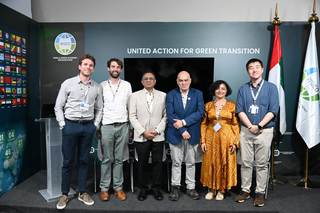
19 Nov, 2025
At COP30 in Belém, the Friends of Ecosystem-based Adaptation (FEBA) network spotlighted Ecosystem-based Adaptation as a transformative, nature-driven solution linking climate resilience, biodiversity…
Brochure
2025
The thirtieth meeting of the Conference of the Parties to the United Nations Framework Convention on Climate Change (UNFCCC COP30), hosted by Brazil, will take place from 10-21 November 2025 in Belém.
News
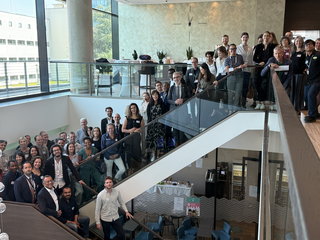
25 Jun, 2025
The 11th Ecosystem-based Adaptation (EbA) Knowledge Day convened experts, policymakers, and practitioners in Bonn, Germany, to take stock of more than a decade of progress—and chart the…

Information brief
2022
Loss and damage refers to the current and unavoidable impacts of climate change experienced by millions of people across the globe. Ecosystem loss and degradation, exacerbated by climate change, is a…

Story
14 Oct, 2020
This International Day for Disaster Risk Reduction, The Friends of EbA (FEBA) network and the Partnership for Environment and Disaster Risk Reduction (PEDRR) have published a joint paper to…

Story
23 Apr, 2020
Effective monitoring and evaluation of EbA outcomes is essential to learn from best practices and reduce uncertainties about effectiveness and long-term impacts. Acknowledging this need, Friends of…